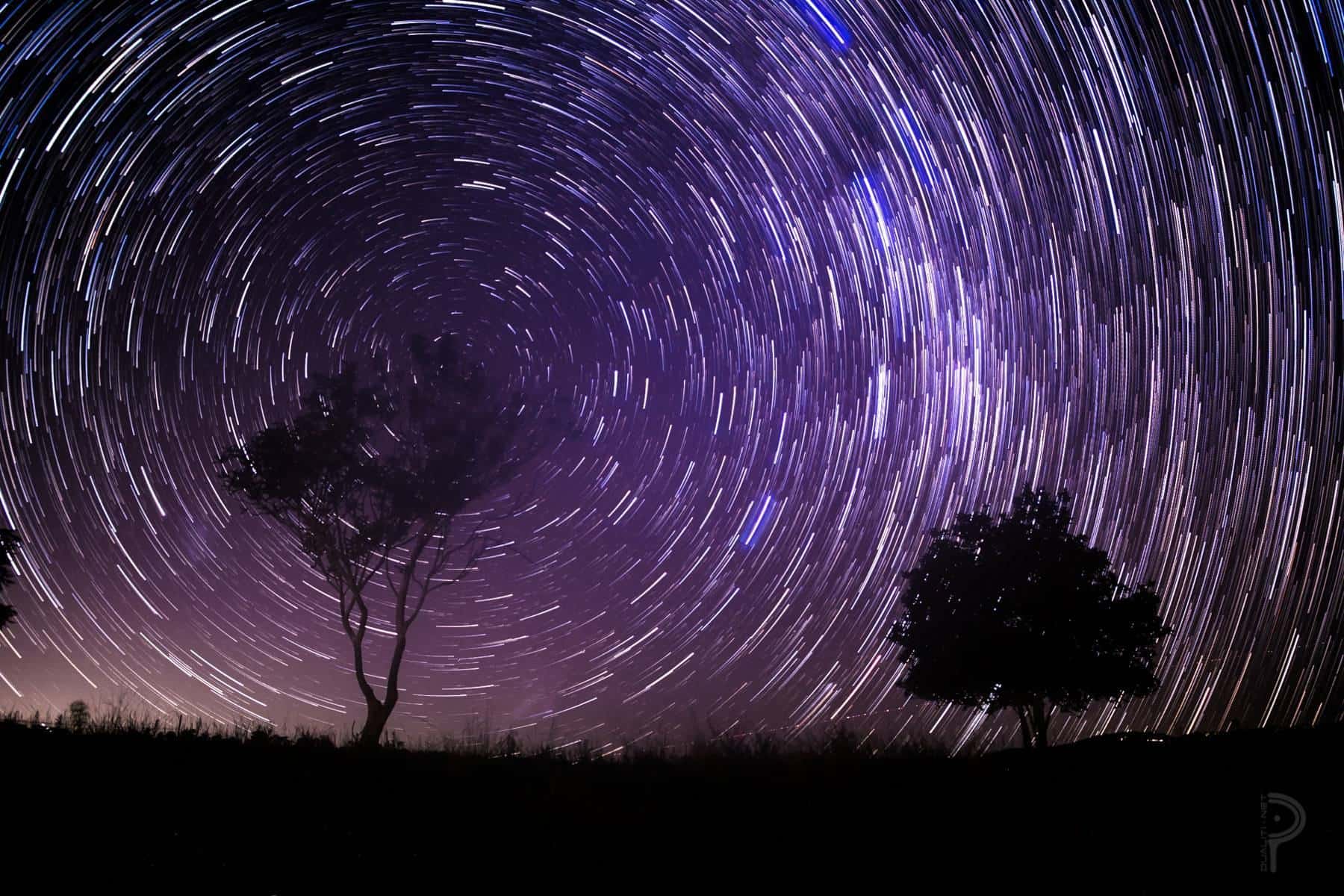
Off-the-beaten-track travel asks more of you than a city holiday. You need to plan for distances, weather and the possibility that help is a long way off. You also gain much more: silence, space, wildlife and skies full of stars.
Safety skills
The most important skills are planning and judgement. Know where the next fuel and water are, check road conditions, tell someone your plans and carry a way to call for help. If you break down, stay with your vehicle. Read remote travel safety.
Navigation
Mobile maps are useful but not enough. Download offline maps, carry paper maps for remote areas and know your route before you leave. GPS devices and satellite communicators add a layer of safety.
Vehicle skills
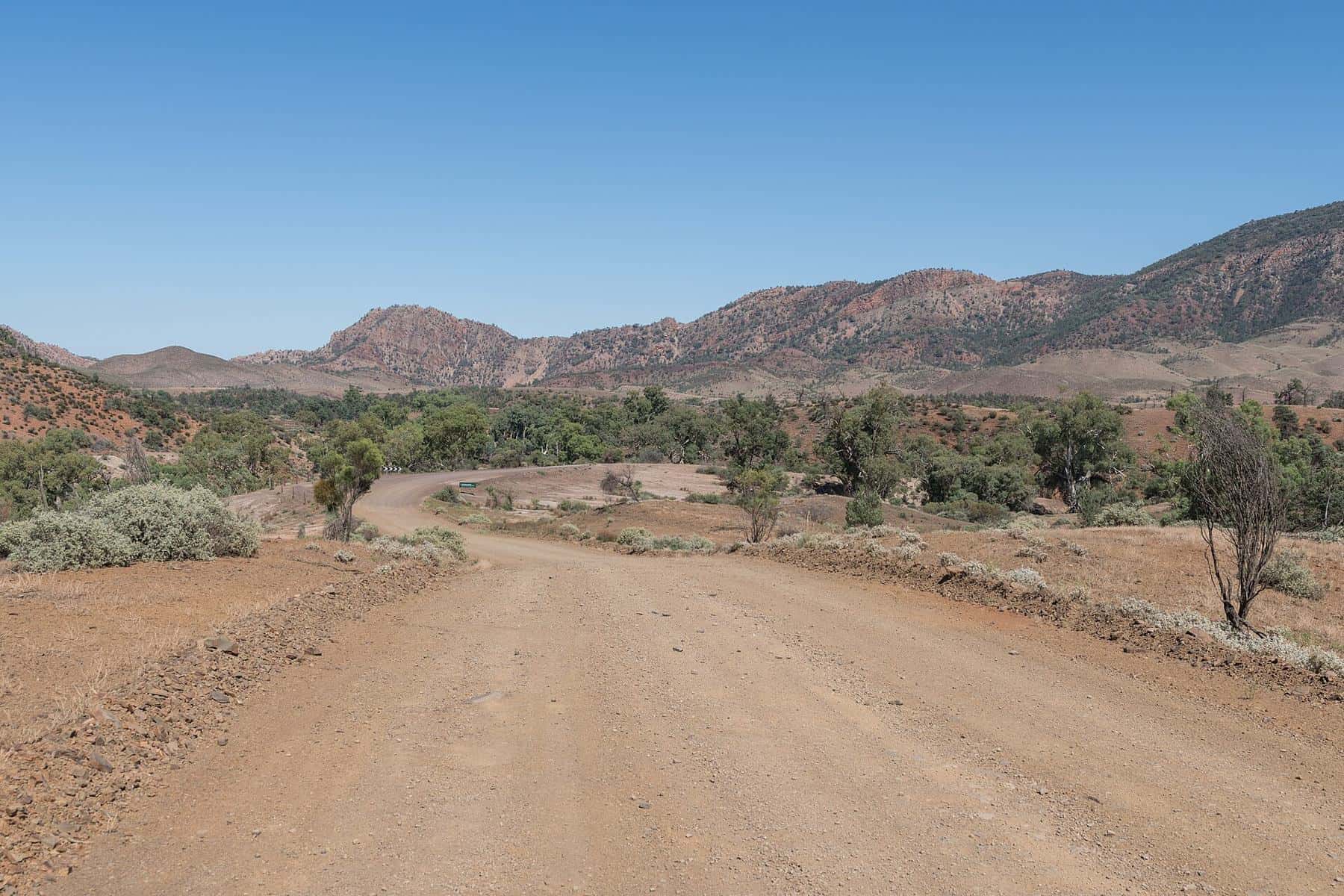
Learn to change a tyre, check oil and coolant, and recognise when to slow down for corrugations, bulldust and floodways. If you are new to 4WD, a training course is a good investment.
Camping skills
Camp only in permitted areas, choose sites away from creek beds that can flood, and follow fire restrictions. Take your rubbish with you, and use toilets where provided.
Photography
Remote Australia is a photographer's dream, from desert colour to dark night skies. Read night sky photography.
Respect and responsibility
Much of remote Australia is Aboriginal land. Learn about the Traditional Owners of the places you visit, follow permit requirements, and respect closures of culturally significant sites.
First aid
A first aid course and a well-stocked kit are essential. Remote first aid courses cover situations where help may be hours away, such as snakebite, heat illness and serious injuries.
Skills to learn before you go
0 of 5 done
Ticks are saved in this browser only.
Learning from others
Joining a 4WD club, an outback travel course or a guided tour is a good way to build skills before heading off on your own. Experienced travellers can share practical knowledge about vehicles, routes and camping. Visitor centres in outback towns are also excellent sources of local information.
Packing for remote travel
Pack for self-sufficiency: water, food, fuel, spare parts, tools, a first aid kit and communications. Keep a list and check it before each trip. Lighter is better for fuel consumption, but never skimp on safety essentials.
Leave no trace
The principles of leaving no trace apply everywhere: plan ahead, travel and camp on durable surfaces, dispose of waste properly, leave what you find, minimise campfire impacts, respect wildlife and be considerate of others.
Keeping your devices powered
Many travellers rely on phones, GPS units and cameras. A dual-battery system, portable power station or solar panel helps keep devices charged on long trips. Store important information offline, including maps, emergency numbers and booking details.
Guides in this section
Travel skills
Remote travel safety in Australia
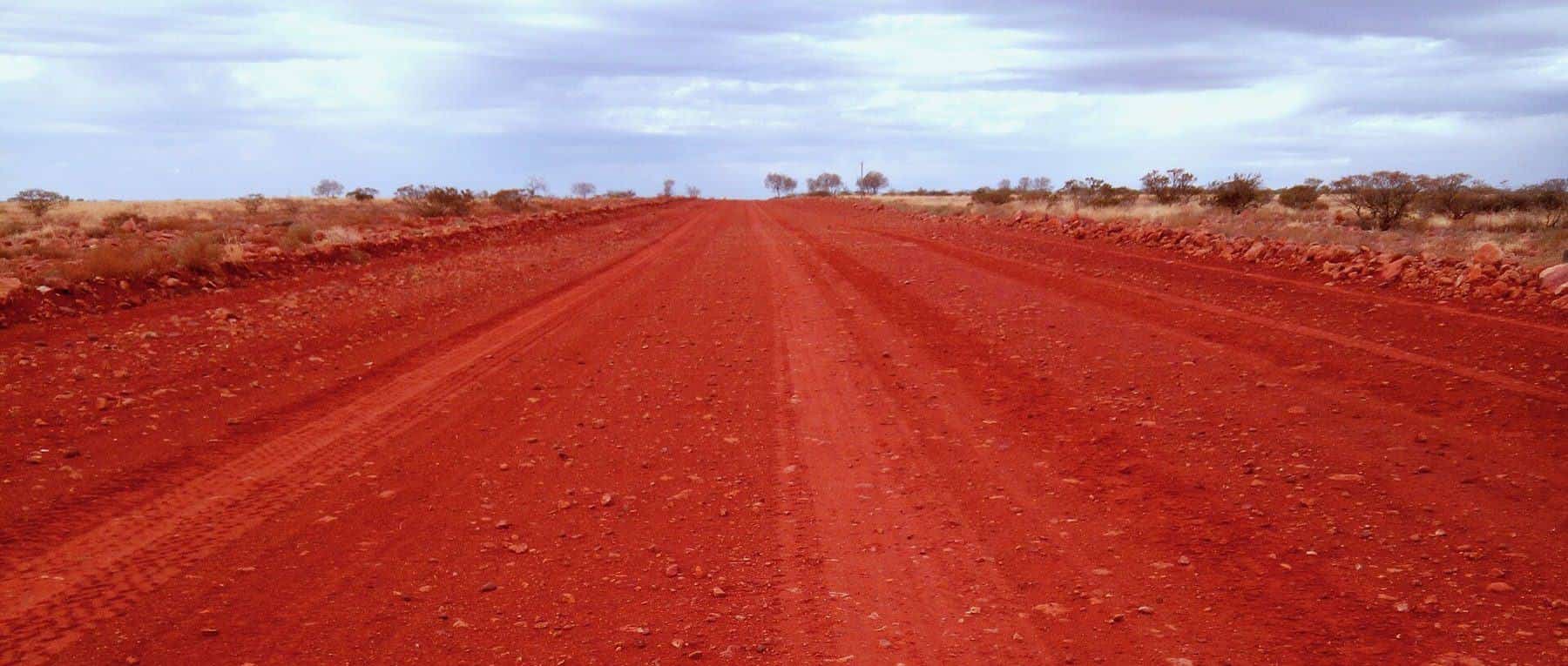
How to stay safe in remote Australia: planning, water and fuel, PLBs and satellite communicators, breakdowns, heat, floods, wildlife and road closures.
Read · 3 min
Travel skills
Night sky photography in outback Australia
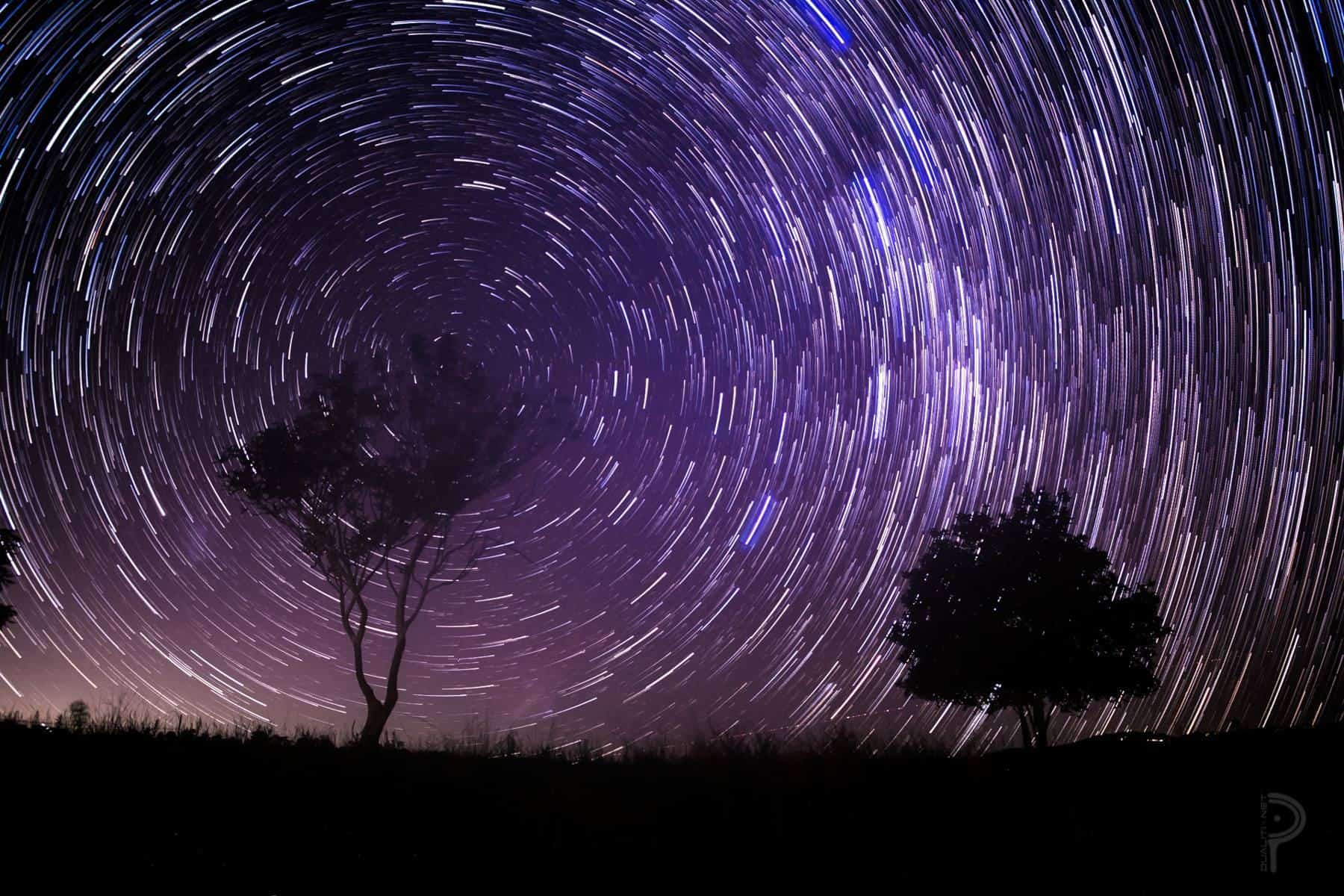
Photograph the Milky Way in outback Australia: dark sky places, when to shoot, camera settings, phone tips, planning around the moon and staying safe at night.
Read · 3 min
Frequently asked questions
How do I avoid getting lost in remote areas?
Plan your route, download offline maps, carry a paper map, check your position regularly and stay on marked roads and tracks.
What should be in a remote first aid kit?
A comprehensive kit including bandages for snakebite, wound dressings, burn treatment and personal medications. A remote first aid course will cover what you need.
Should I do a 4WD course?
If you are new to four-wheel driving, a course is a good investment before tackling unsealed tracks and river crossings.
Do I need a personal locator beacon?
A PLB or satellite communicator is strongly recommended for remote travel where there is no mobile coverage. 406 MHz beacons should be registered with the Australian Maritime Safety Authority.
How much water should I carry in the outback?
Carry far more than you expect to need, including a reserve in case of breakdown. Outback authorities recommend several litres per person per day, plus extra.
What number do I call in an emergency in Australia?
Triple Zero (000). From a mobile, 112 can also be used. Where there is no coverage, a beacon or satellite device may be your only way to call for help.
Where are the best places to see the night sky?
Remote areas away from city lights. Warrumbungle National Park in NSW was named Australia's first International Dark Sky Park.
Sources and further reading
Facts on this page were checked against these primary and official sources. Conditions change — confirm before you travel or buy.
- 406 MHz distress beacons — Australian Maritime Safety Authority
- Triple Zero — Australian Government
- Outback travel safety — South Australian Department for Infrastructure and Transport
- Warrumbungle National Park — NSW National Parks and Wildlife Service