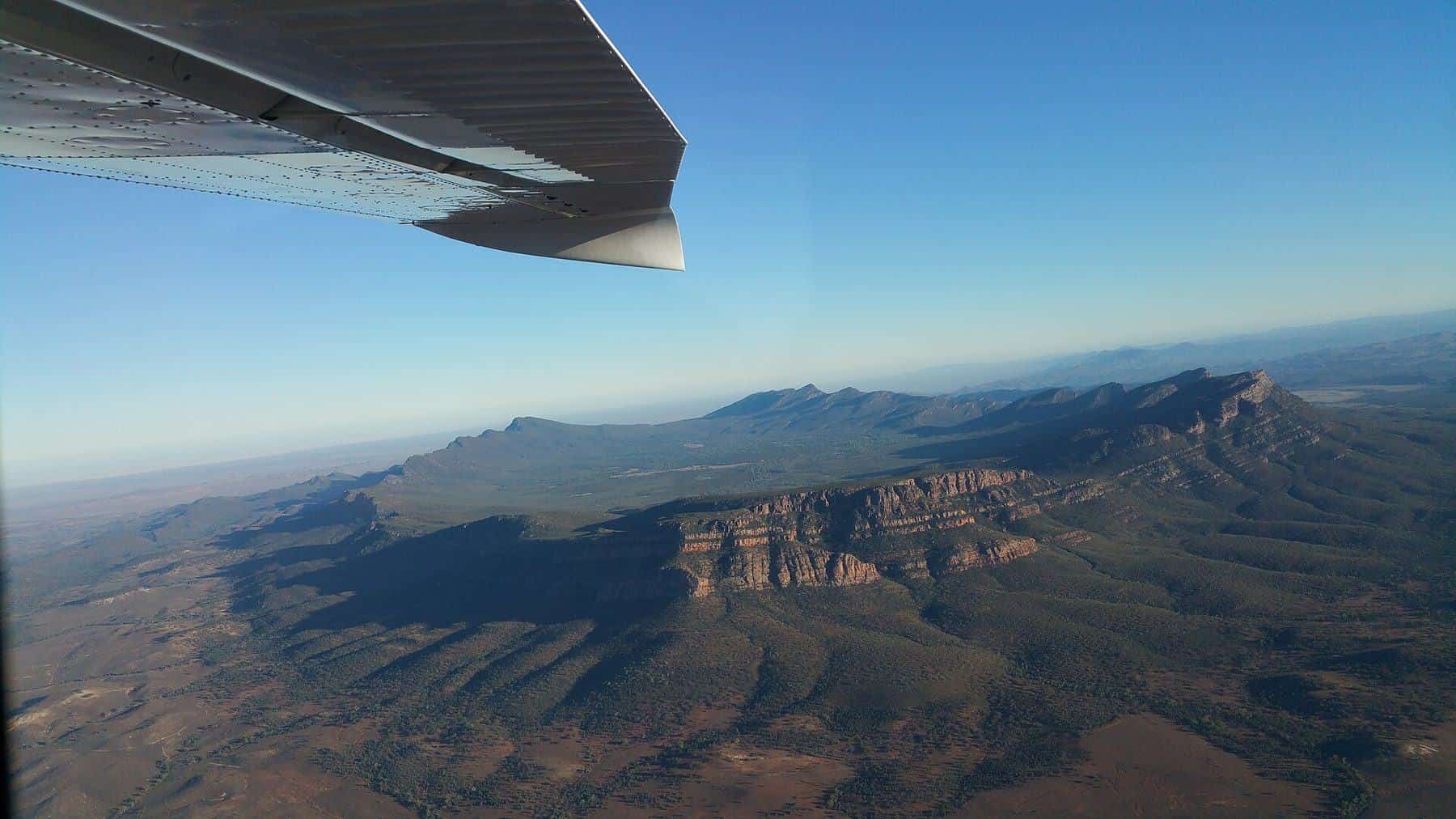
Kangaroo Island, often called KI, lies about 112 kilometres southwest of Adelaide, separated from the Fleurieu Peninsula by Backstairs Passage. It is Australia's third-largest island and one of South Australia's most popular nature destinations, known for sea lions, little penguins, wild coastline and Flinders Chase National Park.
3rd
Largest island
After Tasmania and Melville
112 km
From Adelaide
Southwest
Ferry
Cape Jervis to Penneshaw
Or fly to Kingscote
2019–20
Bushfires
Island recovering
Getting there
The car ferry from Cape Jervis to Penneshaw crosses Backstairs Passage, and Cape Jervis is about two hours' drive from Adelaide. Book ahead in peak season. Alternatively, fly from Adelaide to Kingscote and hire a car on the island.
Getting around
The island is larger than many visitors expect. Allow time for long drives between the east and west ends. Some roads are unsealed. Avoid driving at dawn, dusk and night, when wildlife is most active on the roads.
Flinders Chase National Park
At the western end, Flinders Chase National Park protects a large area of wilderness. Highlights include:
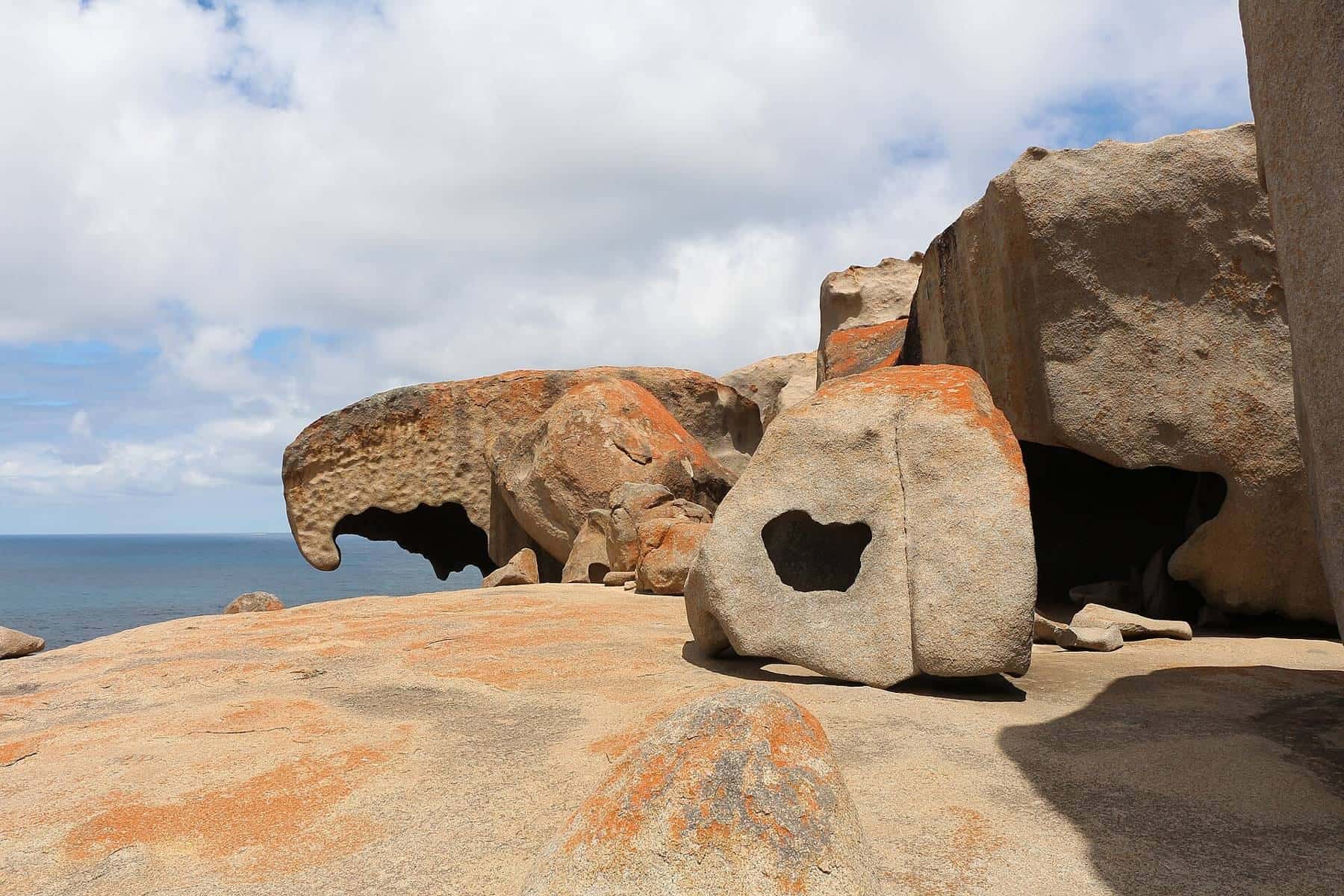
- Remarkable Rocks: huge, weathered granite boulders perched above the sea.
- Admirals Arch: a natural rock arch, with New Zealand fur seals often seen on the rocks below.
- Walking trails through recovering bushland.
Park entry fees apply. Check for any closures as the park continues to recover from the 2019–20 fires.
Seal Bay
Seal Bay Conservation Park is home to a colony of Australian sea lions, an endangered species. Guided beach tours and boardwalks let you see them up close while protecting the colony.
Wildlife
Kangaroo Island is known for its wildlife, including kangaroos, wallabies, koalas, echidnas, goannas and a wide range of birds. Little penguins nest along parts of the coast. Keep your distance from wild animals and never feed them.
Beaches and coast
From sheltered northern beaches such as Emu Bay and Stokes Bay to wild southern coastline, KI has beaches for every mood. Swim only at beaches suitable for swimming and be aware of currents.
Food and produce
The island has a strong local food culture, with honey from Ligurian bees, cheese, seafood, wine and gin. Farm gates and producers welcome visitors.
Recovery after the fires
The 2019–20 bushfires burned a large proportion of the island, including much of Flinders Chase. Wildlife and communities were badly affected. Visiting and spending locally supports the island's recovery.
Biosecurity
Kangaroo Island has biosecurity rules to protect its industries and environment, including its Ligurian bees and potato crops. Check what you can bring before you travel.
Kangaroo Island checklist
0 of 6 done
Ticks are saved in this browser only.
When to go
Kangaroo Island is rewarding year-round. Summer is warm and busy. Autumn and spring are mild and quieter. Winter is cool and wetter, but good for wildlife watching.
Suggested itinerary
- Day 1: Ferry to Penneshaw, explore the east and Kingscote.
- Day 2: Seal Bay and the south coast, on to the west.
- Day 3: Flinders Chase, Remarkable Rocks and Admirals Arch.
Walks on the island
The island has walks for every level. The Kangaroo Island Wilderness Trail is a multi-day walk through Flinders Chase and along the south-west coast, with booking required. Shorter walks lead to lookouts, beaches and coastal cliffs. Check trail conditions with National Parks and Wildlife Service South Australia, as some tracks have been rebuilt or rerouted since the fires.
Lighthouses and history
Cape Willoughby, Cape Borda and Cape du Couedic lighthouses stand at the island's corners, marking a long maritime history. The island's south coast has seen many shipwrecks, and interpretive signs along the coast tell their stories. Kingscote, the largest town, was the site of South Australia's first official European settlement in 1836.
Wildlife watching tips
- Look for wildlife at dawn and dusk, but drive with great care at these times.
- Join a guided tour for little penguins or nocturnal wildlife, which minimises disturbance.
- Keep your distance from sea lions and fur seals on beaches and rocks.
- Take binoculars for birds, including black cockatoos found on the island.
Getting the ferry right
The ferry crossing is short, but it is the island's main link for vehicles, so bookings matter in school holidays and summer. Arrive at Cape Jervis with time to spare, check vehicle size rules if you are towing or driving a campervan, and be aware that rough weather can occasionally disrupt sailings. Fuel up before boarding, as prices on the island can be higher.
Before you go
Check park alerts, fire danger ratings and road conditions before your trip. During summer, total fire bans may apply, and some walking trails close on days of high fire danger.
Frequently asked questions
Are there koalas on Kangaroo Island?
Yes. Koalas were introduced to the island in the 1920s and can be seen in some areas.
Do I need a car on Kangaroo Island?
A car is the easiest way to explore, as sights are spread out. Tours are available if you prefer not to drive.
How do I get to Kangaroo Island?
By car ferry from Cape Jervis on the Fleurieu Peninsula to Penneshaw, or by flight from Adelaide to Kingscote.
How big is Kangaroo Island?
It is Australia's third-largest island, after Tasmania and Melville Island.
How many days do I need on Kangaroo Island?
At least two to three days. The island is large, and distances between sights can be long.
Can I see sea lions on Kangaroo Island?
Yes. Seal Bay Conservation Park is known for its Australian sea lion colony, with guided tours and boardwalks.
Was Kangaroo Island affected by bushfires?
Yes. Devastating fires in 2019–20 burned a large part of the island, including much of Flinders Chase National Park. The island has been recovering since.
Sources and further reading
Facts on this page were checked against these primary and official sources. Conditions change — confirm before you travel or buy.
- Kangaroo Island — Wikipedia
- Flinders Chase National Park — National Parks and Wildlife Service South Australia
- Seal Bay Conservation Park — National Parks and Wildlife Service South Australia
- Kangaroo Island — Kangaroo Island Tourism Alliance
- Biosecurity on Kangaroo Island — Primary Industries and Regions SA